Comparativa de precios
-
 Amazon
Mejor opción
9,99 € Envío 0,99 €Total 10,98 € 2 días
Amazon
Mejor opción
9,99 € Envío 0,99 €Total 10,98 € 2 días
Compras directamente en la tienda oficial, al mismo precio que yendo por tu cuenta. Los precios y la disponibilidad pueden variar; cada oferta indica cuándo se consultó su precio si no es reciente.
Sobre este libro
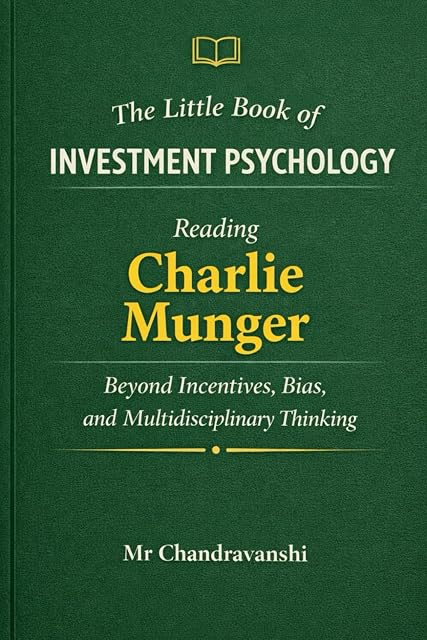
Most intelligent people don’t fail because they lack knowledge. They fail because knowledge stops protecting judgment under pressure. This book explains why. The Little Book of Investment Psychology is not about stocks, strategies, or market predictions. It is about how judgment quietly breaks—even when people are smart, experienced, and well-intentioned. Again and again, capable people make the same mistakes at the same time. Not recklessly. Not emotionally. But calmly, reasonably, and with confidence. That pattern is not personal. It is structural. This book examines how incentives, bias, expertise, and social pressure shape decisions before they feel like decisions. Before doubt feels allowed. Before action feels optional. You will not find advice here. No frameworks to apply. No habits to build. No promises of better returns. Those tools often create confidence faster than they create restraint. Instead, this book studies recurring patterns of failure across investing, business, and professional life: how early success teaches the wrong lesson, how explanations replace interpretation, how expertise narrows vision, how incentives reward continuation long before they punish error, and why awareness of bias rarely prevents it. The focus is not on being right. It is on avoiding preventable damage. The arguments unfold slowly and deliberately. Resolution is withheld. Certainty is resisted. That is intentional. Quick clarity trains passivity. Early reassurance shuts down judgment. This book keeps pressure alive long enough for recognition to form. It assumes the reader is already thoughtful. Already informed. Already capable of explaining their decisions convincingly. What it questions is whether explanation has actually protected them. The material draws on long-standing behavioral patterns rather than short-term data or case studies. Examples are used sparingly—to illuminate structure, not to justify belief. Nothing here is meant to be copied or imitated. This is an interpretive book, not an instructional one. If you are looking for tactics, it will feel incomplete. If you are looking for motivation, it will feel indifferent. If you are looking for certainty, it will feel uncomfortable. That discomfort is the point. This book is written for readers who suspect that the most dangerous moments are not crises—but periods when everything feels normal, reasonable, and under control. If you finish it feeling less certain, something worked. If you finish it feeling more careful, it worked even better.